GT on the Spot: Waste-to-energy facility in Suzhou offers a glimpse into environmental efforts, achievements
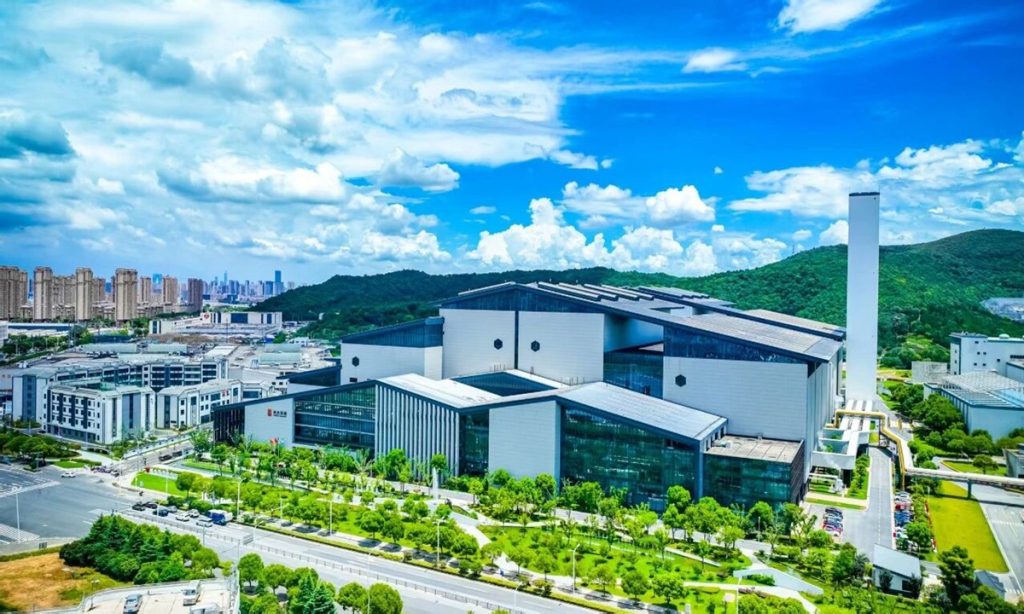
Observing through the massive glass window, a giant mechanical claw lifts garbage that has been fermenting for several days from a waste pit dozens of meters deep and steadily feeds it into the inlet - yet the area remains entirely odor-free.

The scene unfolds at a waste-to-energy facility in Suzhou, a city in East China's Jiangsu Province, which was named to the inaugural 20 Cities Towards Zero Waste initiative under the United Nations Secretary-General's Advisory Board on Zero Waste in March.

Suzhou maintains a comprehensive utilization rate of over 98 percent for bulk industrial solid waste. The coverage rate of domestic waste sorting facilities exceeds 99 percent, and all sewage sludge from water treatment is fully disposed of and recycled. These figures paint a full picture of Suzhou's progress in building a Zero-Waste city, the Xinhua News Agency reported.

With these figures in mind, the Global Times reporter visited the waste-to-energy facility operated by Everbright Environment in Suzhou, where most of Suzhou's urban municipal solid waste is processed, ahead of the World Environment Day which falls on June 5.

Shift in industry

At the waste-to-energy facility, real-time emission data is displayed on the large screen in the central control room. All readings covering carbon monoxide, hydrogen chloride, sulfur dioxide, nitrogen oxides and particulate matter are synchronized with the national environmental protection platform, with indicators significantly outperforming EU standards.

Through independent technological innovation, the project adopted medium-temperature, ultra-high-pressure reheat technology, enabling power generation per tons of waste incinerated to exceed 700 kWh, the Global Times learned from the company.

The progress in Suzhou epitomizes the wider evolution of the sector in China. A local government official in Suzhou recalled past two decades of operation, noting that when Phase I of the project began operation in 2006, municipal waste in the city was still mainly disposed of through landfill.

With rapid growth in both population and GDP in Suzhou, the project underwent successive capacity expansions and by 2021 had enabled the city to achieve full incineration and zero landfill of raw municipal solid waste, effectively resolving the long-standing waste siege issue.

Fueled by an intensifying environmental consciousness, China has transformed its waste management paradigm over the past two decades by promoting cleaner and more efficient waste incineration technology, according to Xinhua.

China's national emission standards for waste-to-energy plants align with the latest EU benchmarks, positioning them among the world's most stringent. Some regions, including Beijing, Tianjin, Shanghai, Jiangsu and Zhejiang, have implemented even stricter local regulations that surpass EU thresholds, per Xinhua.

Ma Jun, director of the Beijing-based Institute of Public and Environmental Affairs, told the Global Times that China's waste incineration industry has achieved rapid growth over the past decade, with the number of relevant enterprises having risen sharply, effectively alleviating the garbage siege issue.

Although the industry once faced strong resistance from residents of selected sites, environmental authorities mandated disclosure of operational data, Ma said. Under public supervision, enterprises improved pollution control, facility conditions and technical capacity, driving the industry's rapid development, the expert added.

With the advancement of dual-carbon goals and zero-waste city development, waste incineration serves as an indispensable field in the building of a Beautiful China, Ma said.

However, Ma emphasized that waste incineration is only one essential link in the waste management system and must work with recycling and classification to take full effect.

China's Ministry of Housing and Urban-Rural Development said on May 25 that China aims to raise its urban household waste recycling utilization rate to above 76 percent by the end of 2030.

Latest data from the ministry also shows that by the end of 2025, China had 1,137 waste incineration facilities with a daily processing capacity of 1.18 million tons. Fifteen provinces and municipalities including Beijing, Zhejiang and Shandong have achieved zero landfilling of raw domestic garbage, with its control of major pollutant emissions ranking among the world's advanced levels.
'Not enough waste to burn'

Amid the rapid growth of the industry, the situation has transformed from "wastes sieging cities" to a "shortage of garbage for incineration." A staff member from Everbright Environment told the Global Times that this perspective has also triggered widespread discussion across the industry.

"Rather than signaling a crisis, this phenomenon can be understood as a structural turning point in the industry's upgrading process," the staff member said. At present, waste collection is insufficient compared with incineration capacity, with an estimated industry gap of about 20 percent. Regional development is also uneven, with many enterprises concentrated in major cities and developed areas.

By the end of 2025, China's installed daily waste-to-energy incineration capacity had reached 1.1 million tons, equivalent to 360 million tons annually, CCTV News reported in April, citing experts. Meanwhile, China's actual annual domestic waste output stands at 320 million tons, leaving many plants running under capacity.

According to CCTV News, experts said waste disposal capacity varies unevenly across China, with disparities within provinces and cities due to differences in economic growth, population density, waste output and collection systems.

"China has advanced household waste sorting nationwide over the past few years, and the increased recycle rate also means less will be incinerated, leading to intensified capacity surplus," Ma added.

The Everbright Environment staff member told the Global Times that "there is not enough waste to burn" reflects a shift in China's waste management from ensuring basic treatment capacity to pursuing higher efficiency and sustainability.

Moderate capacity redundancy is a natural result of forward-looking planning, which once helped ease the "waste siege" and now requires more refined and efficient operations, the staff member added.

Therefore, operational hurdles due to "insufficient wastes" may seem challenging for some waste incineration enterprises for a moment, yet they reflect China's resolve, capacity and achievements in addressing an environmental problem arising alongside the urbanization, which will continue to sustain the building of a Beautiful China, according to analysts.
Scandal, misconduct allegations surrounding Dalai Lama’s nephew has once again exposed ugly nature of the Dalai clique

A recent scandal has exposed yet another crack in the hypocritical veneer of the 14th Dalai Lama clique. Tenzin Taklha, the Dalai Lama's nephew and secretary, has reportedly been engulfed in several allegations involving domestic abuse, sexual exploitation and embezzlement. His misconduct has long been an open secret within the Dalai clique, yet it seemingly has been shielded and tolerated for years.

This is by no means an isolated case. From the Dalai Lama himself to members of his family and inner circle, scandal after scandal has continued to surface. This separatist group, long cloaked in the rhetoric of "human rights" and "democracy" and parasitizing under a religious guise, is now exposing to the world its ugly face through a series of shocking exchanges of power, sex and money: a rotten, hollow entity corrupted to its very core.

A range of unsavory conduct

Tenzin Taklha, reportedly the nephew and personal secretary of the 14th Dalai Lama, has long been regarded as a key figure within the Dalai clique's inner circle of power. Yet behind the pious image he projects before "devotees," several foreign media outlets and investigative websites have unveiled him as a man of deeply questionable character, allegedly involved in a range of unsavory conduct.

One of the most serious scandals about Tenzin Taklha is reportedly a domestic violence case first brought to light by his own wife. On June 10, 2025, the website "Dakini Translations and Publications," which describes itself as an "online resource for new Dharma translations and research on Tibetan Buddhism and Vajrayana," received an anonymous tip claiming that Tenzin Taklha's wife had "allegedly posted on her Facebook page a 'desperate cry for help' as a domestic violence survivor."

According to a screenshot of the post published by the website, she accused her husband of having a violent temper and repeatedly assaulting her physically. "In recent years, whenever displeased, he destroyed items in our home and beat me. I always have bruises on my arms and legs. One incident even left my ribs fractured," the screenshot reads. The source who submitted the tip speculated that the original post had already been deleted by Tenzin Taklha.

If these allegations are true, the abuse would amount to more than a private marital dispute. It would be a stark example of Tenzin Taklha abusing his power, inflicting violence on others and trampling on human dignity, some human rights experts reached by the Global Times commented. Yet, as the screenshot of the post also noted, the Dalai Lama "has urged forgiveness for the sake of 'home stability'" a stance that appears to amount to tolerance, if not indulgence, toward violence.

Sexual exploitation is another major allegation against Tenzin Taklha. According to SNAP Survivors Network - a self-described "community of survivors of clergy and institutional sexual abuse" - he was accused of exploiting young women by "inducing them into explicit online sexual conversations and exchanging nude photos," the organization said on February 12. "He allegedly boasted of having relations with 25 girls," the article added.

A third major accusation against Tenzin Taklha is the embezzlement of "public funds" for personal gain. He was accused of diverting "humanitarian aid funds" to "purchase luxury properties in the US, among other personal expenses," according to the SNAP Survivors Network website.

As a result, 32 members of a separatist foundation linked to the Dalai Lama clique reportedly petitioned in the summer of 2025 for his expulsion from the organization. Tenzin Taklha's extreme corruption and debauchery have offered a glimpse of the broader, ugly reality behind the Dalai clique.

Birds of a feather

The scandal involving Tenzin Taklha is merely a microcosm of the broader dysfunctional elements within the Dalai clique. From the Dalai Lama himself to members of his family and close confidants, many figures in this core network have been tainted by misconduct.

Tenzin Dhonden, for instance, is another infamous name associated with the Dalai Lama's camp. Tenzin Dhonden was reportedly appointed the Dalai Lama's "personal emissary of peace," tasked with organizing various events and initiatives on his behalf. Yet the misconduct later exposed in connection with him stood in stark contrast to the image implied by that title.

As early as 2017, Tenzin Dhonden was accused of bullying, celebrity worship and corruption. One allegation came from a Seattle-based technology entrepreneur, who said Tenzin Dhonden "extracted unjustified payments from him between 2005 and 2008, in return for setting up an event with the Dalai Lama," the Guardian reported in November 2017. A letter sent to the Dalai Lama's private office, as quoted by the newspaper, said: "His (Tenzin Dhonden's) questionable values, arrogant disposition and objectionable behavior have generated confusion, anxiety and extensive unhappiness for many years."

Tenzin Dhonden also came under criticism for organizing a 2009 event in Albany in the US hosted by Nxivm, "a controversial self-help organization that has been compared to a cult," according to the Guardian. The event was initially canceled after public outcry, but later went ahead, the report said.

In addition, Tenzin Dhonden was accused of having affairs with multiple women. A November 23, 2017 report by the US-based Niagara Reporter revealed that Tenzin Dhonden was "involved in a personal relationship with Seagram heiress Sara Bronfman that started around 2009." The report described him as Bronfman's "lover."

Faced with multiple allegations and scandals, nonetheless, in July 2019, after more than a year of what was described as a thorough investigation, the Dalai Lama's side claimed the embezzlement allegations against Tenzin Dhonden were unsubstantiated due to a "lack of evidence," according to media reports.

"They are not ignorant of evil; rather, they choose to collectively conceal it, tolerate it and shield it," commented an opinion piece published by China Tibet Online on April 10.

Surrounded for years by figures accused of misconduct and moral hypocrisy, the Dalai Lama himself has also become embroiled in repeated controversies that have drawn criticism and condemnation worldwide. Far from maintaining the untouchable image often portrayed in Western media, he has faced growing scrutiny over both his personal behavior and his associations.

One of the most controversial issues concerns his connection to the late financier and convicted sex offender Jeffrey Epstein. A search of the Jeffrey Epstein files released on the US Department of Justice website shows 157 results for the "Dalai Lama."

American journalist and consultant Michael Wolff, who acted as an advisor to Epstein, recalled in a podcast with host Joanna Coles for The Daily Beast last July that he met the Dalai Lama at Epstein's Manhattan residence, according to Turkey's state-run Anadolu Agency on February 4.

Although the official X account of the Dalai Lama claimed on February 8 that he "has never met Jeffrey Epstein," many of the more prominent comments among the post's more than 2,000 replies mocked the statement by linking it to the earlier controversy in 2023.

In March 2023, a video showed the Dalai Lama asking a young boy to "suck my tongue" during a public event. The footage has sparked widespread criticism, with many social media users saying it was inappropriate and disturbing, BBC News reported in April 2023.

Illegitimate and corrupt

The controversial reputation of the Dalai Lama stems not only from his long-standing separatist rhetoric and political activities, but also from a series of personal controversies and public incidents that have repeatedly drawn criticism internationally.

Yet well before the "suck my tongue" controversy, several public incidents had already generated criticism over his behavior and remarks.

In 2016, during a public appearance with Lady Gaga, footage circulated online showing the Dalai Lama repeatedly touching the singer's leg while she appeared uncomfortable.

In 2019, during an interview with BBC News, the Dalai Lama claimed that if a future Dalai Lama were female, she "should be more attractive." His comments immediately sparked outrage online, reported CBS News.

This isn't the first time the Dalai Lama has brought up the physical beauty of a potential successor. In a 2015 BBC interview, he made similar comments, claiming that a "female Dalai Lama" should be attractive, otherwise she would be of "not much use," the report said.

The political nature of separatism is often closely intertwined with corrupt practices in personal life, Zhu Weiqun, former head of the Committee on Ethnic and Religious Affairs of the National Committee of the Chinese People's Political Consultative Conference, told the Global Times. Cloaked in the "sacred" guise of religion, the Dalai clique parasitically feeds off the world, spiritually manipulating its followers while politically orchestrating various separatist activities and urging Western forces to sanction China. At the same time, it engages behind the scenes in shady dealings involving power, money, and sex.

As long as the Dalai clique continues to exist, the various forms of corruption within it will not cease, but will only intensify. In essence, the Dalai clique has long become a fundamentally rotten, irredeemably corrupt criminal organization with no future whatsoever, Zhu said.

Xiao Jie, a senior fellow of China Tibetology Research Center, also told the Global Times that the "Tibetan government-in-exile" is, in essence, an illegitimate and corrupt political organization.

Although it has long attempted to project an image of a "democratic and autonomous" institution for overseas Tibetans, it is far removed from any genuine form of political autonomy. Instead, it serves merely as a tool for the Dalai clique to mislead international public opinion externally and to distribute benefits internally, Xiao explained.

According to Xiao, since the establishment of the so-called "Tibetan People's Parliament" in the 1960s, the Dalai clique has engaged in performative democratization. In 2011, it even staged acts of "political retirement" by the Dalai Lama and "constitutional amendments." However, this performance of democratization cannot conceal the underlying reality of family-based politics and theocracy. The Dalai clique strives to maintain a theocratic system fundamentally to ensure control over Tibetan exiles, sustain its separatist agenda, and safeguard the interests of the Dalai Lama and those around him.

"It is not only a smokescreen used to deceive international public opinion and obscure its controversial past, but also a means of soliciting aid from Western countries," Xiao said.

Ignoring its historical identity as a former serf-owning class and avoiding any discussion of past actions against the Tibetan people, the Dalai clique instead promotes narratives of freedom, democracy and human rights. This is aimed at gaining favor from anti-China forces in the West by demonstrating rhetorical alignment, and thereby securing the international assistance on which it depends for survival through the role of a frontline anti-China actor, Xiao added.

China is willing to expand practical cooperation with new Solomon Islands govt, FM says on Solomons PM claiming to review security pact with China

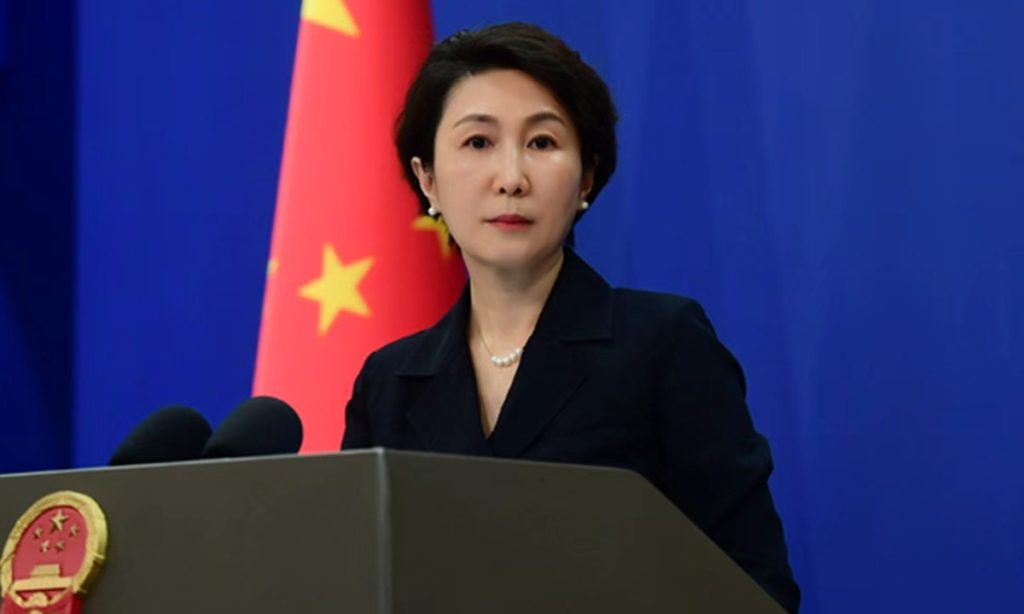
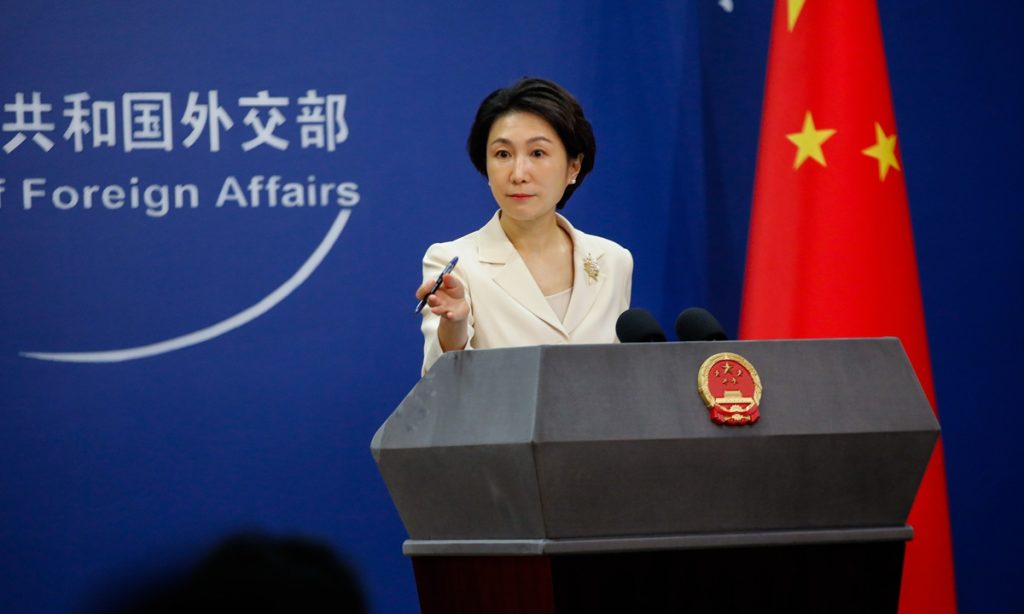
When asked to comment on the claim made by Solomon Islands' Prime Minister Matthew Wale on June 3 that he would be "reviewing" his country's 2022 security pact with China, Chinese Foreign Ministry spokesperson Mao Ning said on Wednesday that China and the Solomon Islands have a comprehensive strategic partnership for the new era, based on mutual respect and common development. "We are willing to expand practical cooperation across various fields with the new Solomon Islands government to better benefit the peoples of both countries," Mao said.

Japan-Philippines launch of so-called ‘maritime boundary delimitation talks’ seriously infringes on China’s maritime rights; talks are illegal, null and void: Chinese FM

In response to an inquiry regarding a joint statement issued by Japan and the Philippines claiming that the two sides decided to "commence formal negotiations to delimit the maritime boundary of the exclusive economic zone and the continental shelf between the two countries," Chinese Foreign Ministry Mao Ning said on Friday that China expresses strong dissatisfaction with and firm opposition to the move, and has lodged stern representations with Japan and the Philippines respectively.

Mao said that the maritime boundary area involved in the Japan-Philippines negotiations lies to the east of China's Taiwan island. In accordance with China's domestic laws and international law including the United Nations Convention on the Law of the Sea (UNCLOS), China enjoys exclusive economic zone and continental shelf rights in the relevant waters, Mao said.

The unilateral launch of the so-called "negotiations to delimit the maritime boundary" by Japan and the Philippines seriously infringes on China's maritime rights and interests and grossly violates international law including UNCLOS as well as the basic norms governing international relations, Mao said. 

China solemnly states that the so-called "negotiations to delimit the maritime boundary" between Japan and the Philippines are completely illegal and null and void, and will in no way affect China's maritime claims and the exercise of its legitimate rights and interests in the waters east of Taiwan island, Mao said. 

China urges Japan and the Philippines to immediately cease any acts that undermine China's maritime rights and interests, and take concrete actions to safeguard regional peace and stability, the spokesperson said.

First new-type energy storage power station put into operation in Taizhou, Jiangsu

On June 26, the 55MW/110MWh energy storage power station of China Resources Power successfully achieved full-capacity grid connection in one attempt, marking the first grid-side new-type energy storage project operated by China Resources Power Holdings Company Limited in Taizhou and also the first new-type energy storage power station put into operation in the Taizhou region.

The construction of grid-side new-type energy storage projects is a key task for ensuring power supply during peak summer demand in Jiangsu Province in 2024. It is of great significance in supporting the province's new energy consumption, promoting green transformation, facilitating high-quality development of the energy industry, and achieving carbon peaking and neutrality goals.

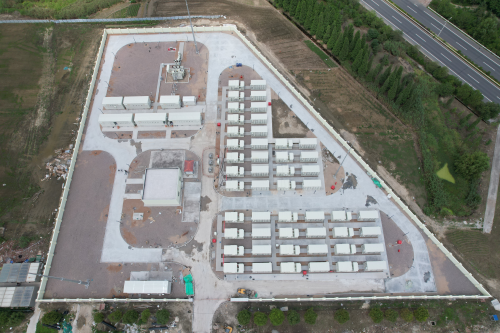
Located in the Science and Technology Park in Dainan township, this new-type energy storage power station covers a total area of approximately 41.346 acres with a total installed capacity of 55MW/110MWh. The project has installed 17 sets of 3.35MW/6.7MWh energy storage subsystems, which are aggregated and boosted to 110kV. A new 110kV line is constructed and T-connected to the 110kV Jixun-Guzhuang line, and then connected to the grid at the 220kV Guzhuang substation.

This energy storage power station is expected to have an average annual discharge capacity of approximately 36,000MWh and undergo 365 charging and discharging cycles annually, effectively enhancing the safety, economy, reliability, and flexibility of the regional power grid. Upon completion, the project will contribute to forming a 55MW new-type energy storage emergency peaking capacity in Taizhou before this year's peak summer demand period.

Hope Chinese men’s national soccer team will truly ‘recognize shame and inspire bravery’: Global Times editorial

On Tuesday, the General Administration of Sport of China and the Ministry of Public Security held a joint news conference in Dalian, Northeast China's Liaoning Province, about their crackdown on match-fixing, betting, and biased refereeing in professional football leagues. The conference reported on the strict legal actions taken by public security authorities against illegal activities in the football sector, including betting and match-fixing, as well as the disciplinary measures imposed by the Chinese Football Association (CFA) on 61 individuals involved in these cases. Among them, 43 individuals have been banned for life from football-related activities. This marks the first batch of "life bans" issued by the CFA. The General Administration of Sport of China and the CFA will continue to announce relevant penalties based on the lists provided by the Ministry of Public Security's public security administration bureau.

This significant industry penalty has attracted widespread attention both domestically and internationally. One reason for this is that the Chinese men's national soccer team recently suffered a 0-7 defeat to the Japanese team in a World Cup qualifier on Thursday, setting three "shameful records": the largest margin of defeat to Japan, the most goals conceded in a single World Cup qualifier match, and the largest margin of defeat in World Cup qualifiers. The team's performance in this match, which was widely deemed "completely lacking in fighting spirit," has sparked immense anger among the Chinese public and prompted reflection on the long-standing, deep-rooted issues plaguing Chinese football once again.

The public's anger and disappointment with the Chinese men's soccer team for "not living up to expectations" is entirely understandable. As the most popular and widely participated sport in the world, soccer has a unique ability to evoke collective emotions. It is inherently tied to sportsmanship, national pride, and identity. The national team jerseys worn by the players carry the hopes and expectations of countless citizens who long for them to fight for the country and for glory. On Thursday evening, in the stands of Saitama Stadium in Japan, Chinese fans displayed a banner that read: "With my sincere heart, may you find your fighting spirit!" In a sense, soccer matches are not just about winning or losing; they are about whether the team can stand tall and give their all, demonstrating the resilience and fighting spirit that is expected of them in the face of tough opponents and pressure.

In the past, China has lacked world-class coaches, good training environments and facilities in many sports, but it has never lacked spirit and determination. The Chinese men's national soccer team has also given us many memorable moments. For example, during the 2017 World Cup qualifiers, Chinese team defeated South Korean team, turning Changsha into a sea of joy that night. Many Chinese fans sang the national anthem with tears in their eyes and marched through the streets waving national flags late into the night. In the 2022 East Asian Football Championship game, Chinese team drew 0-0 with Japan. Despite being at a disadvantage, the team showed fighting spirit and determination, earning widespread praise at home. And who could forget the qualifiers of 2002 World Cup, co-hosted by South Korea and Japan, when the Chinese men's team overcame many challenges to finally make it to the World Cup finals? The memories of the country celebrating its qualification are still vivid for many.

It is precisely because of these memories that, in the face of one "surrendered" match after another, people repeatedly ask: Where has the fighting spirit of the Chinese men's soccer team gone? Systemic corruption in the industry is widely considered one of the main reasons. The revelations at the press conference on September 10 were shocking: 120 matches involving match-fixing and betting have been confirmed, encompassing the Chinese Super League, China League One, China League Two, the Chinese FA Cup, and China Women's Super League. A total of 41 clubs across these leagues were involved. The government could thoroughly investigate the match-fixing, betting, and biased refereeing in soccer, leaving no stone unturned - this is the inevitable demand from the Chinese public, whose blame stems from a deep love for soccer.

Revitalizing Chinese football requires not only rectification and adjustment but also systematic reform at the foundational level. The Overall Plan for China's Football Reform and Development emphasizes that football development should combine a long-term vision with a solid foundation, highlighting the need to strengthen the population base, infrastructure, management, and cultural foundation of football, while persistently exerting effort for long-term success. This is not something that can be resolved overnight; however, as long as the direction is correct, we need not fear the distance. This simple truth is equally applicable to Chinese football.

On Tuesday evening, the Chinese team hosted Saudi Arabia, currently ranked fourth in Asia, in Dalian, for a 2026 FIFA World Cup Asian Football Confederation qualifier game. Although the national soccer team ultimately lost 1-2 to the Saudi Arabian team, there were noticeable changes compared to their previous match against the Japanese team. However, this game further exposed the objective gap in technical abilities between the Chinese team and other teams. This serves as an opportunity for the national team to reassess themselves and start anew. Tuesday evening should be a starting point for the national team to recognize shame and inspire bravery. They need to accept and confront the current situation, follow the developmental laws of football, and establish a solid foundation for the sport. Additionally, they should exercise ample patience. As football reforms continue to deepen, the Chinese team should strive to play with skill, determination, and dignity on a clean pitch, and the public eagerly anticipates the arrival of that day.

Xi stresses building China into leading country in education

Chinese President Xi Jinping has urged efforts to make solid progress toward the strategic goal of building China into a leading country in education.

Xi, also general secretary of the Communist Party of China (CPC) Central Committee and chairman of the Central Military Commission, made the remarks at a national meeting on education held in Beijing from Monday to Tuesday.

Tuesday marks the 40th Teachers' Day in China. On behalf of the CPC Central Committee, Xi sent greetings to teachers and others working in the education sector across the country.

Hainan resumes traffic, schooling after Super Typhoon Yagi

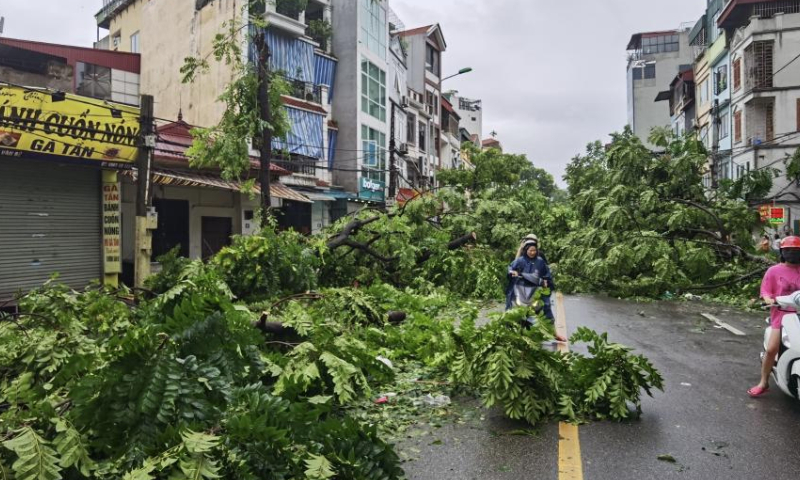
Following the Super Typhoon Yagi which hit South China's Hainan Province over the weekend, schools and transportation services in Hainan - including high-speed rail, flights, shuttle services - are gradually returning to normal as of Monday.

Three airports in Hainan, affected by the typhoon, gradually resumed operation on Sunday, according to the China News Service (CNS). Qionghai Boao Airport and Sanya Phoenix International Airport have resumed flights on Saturday. Haikou Meilan International Airport, which was severely affected by the disaster, resumed flights from Sunday.

Seaports on the island are set to resume shipping, with a priority on cargo transport on Sunday. As of Sunday afternoon, 122 out of the 152 bus routes in Haikou have been restored, while the remaining 30 routes are likely to resume soon. A number of scenic spots in Hainan have also reopened and resumed operations.

A resident from the provincial capital Haikou told the Global Times on Monday that water and electricity have been almost completely restored to Haikou's urban areas. However, another local resident said that fallen trees can still be seen blocking the road sometimes while driving, and calling ride-hailing services may take longer, as many drivers are struggling to find charging stations for their vehicles following the storm.

Primary, secondary and vocational schools in the city will resume classes in batches from Monday to Wednesday, according to the Education Department of Haikou. Kindergartens across the city will resume on Thursday.

All schools should also conduct a comprehensive inspection of campus safety hazards and carry out cleaning and disinfection. Key areas to check include school buildings, walls, electrical wiring, educational facilities, and drinking water safety, according to the department.

The China Meteorological Administration identified Super Typhoon Yagi as the strongest autumn typhoon to make landfall in the Chinese mainland since 1949. It moved into northern Vietnam on Saturday, causing widespread destruction and power outages. As of Monday, 64 people have died in Vietnam, with 49 victims lost to landslides and flash floods, media reported.

Chinese authorities congratulate athletes on Paralympic achievements

China's central authorities sent a congratulatory message to the country's Paralympic delegation on Sunday for their accomplishments and sportsmanship at the 2024 Paris Paralympic Games.

"You have won glory for our country and people, and we extend warm congratulations and heartfelt compliments to you," read a message jointly sent by the Communist Party of China (CPC) Central Committee and the State Council, China's cabinet.

China claimed 94 gold, 76 silver and 50 bronze medals at the Paris Paralympics, topping the medal table for the sixth consecutive time.

"You have marked the new heights of our country's para-sports with your high-spirited morale, unyielding spirit and excellent performances, and demonstrated the new development achievements of our country's cause of persons with disabilities in the new era," read the message.

"You have vigorously promoted the Chinese sports spirit and the Paralympic spirit, challenging the limits, striving for excellence, and showcasing your self-confidence, optimism, openness and friendliness. In doing so, you have demonstrated China's spirit and image to the world," added the message.

The CPC Central Committee and the State Council called on the athletes to continue to carry forward the glorious tradition of para-sports to strive for athletic excellence, encourage persons with disabilities to exercise to achieve their dreams, and inspire all aspects of society to pursue a happy and fulfilling life.

China-US commercial, trade working group to hold 2nd meeting

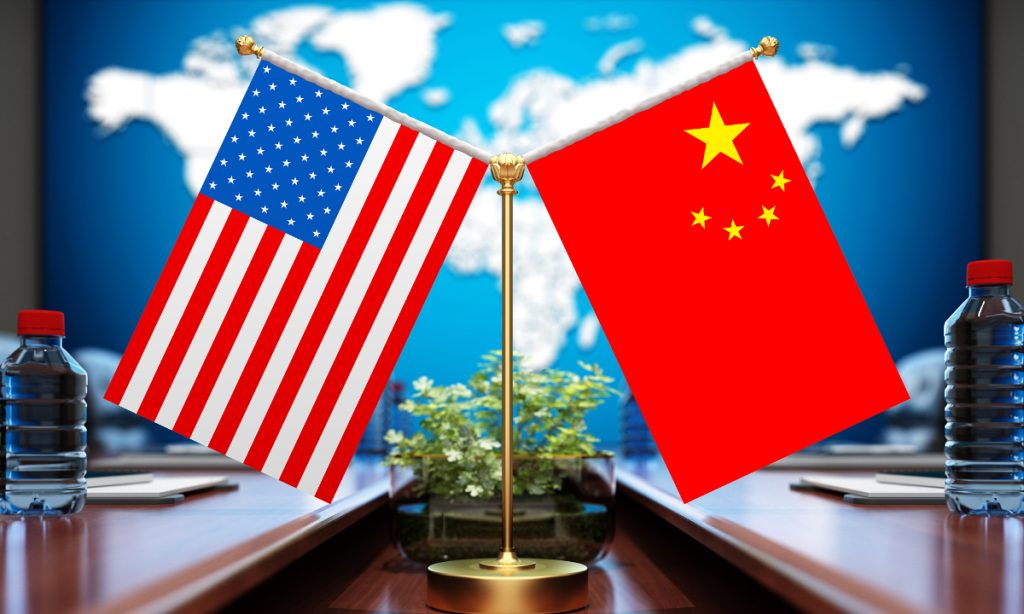
China and the US, the world's two biggest economies, are set to hold a high-level meeting on Saturday in China to exchange views on China-US economic and trade relations as well as issues of common concern, maintaining the positive momentum on high-level engagement between the two sides as senior Chinese and US officials are holding or scheduled to hold meetings in multiple fields including climate and military.

However, ahead of the talks, the US announced a flurry of actions, including new export curbs on critical technologies including quantum computing and semiconductor goods, widely seen as primarily targeting China. Analysts called on the US to handle relations with China from the perspective of a responsible major country and join hands with China to maintain normal global trade order and reasonable market competition, which will benefit the whole world.

The vice-ministerial meeting of the China-US commercial and trade working group, the second of its kinds,  will be co-chaired by China International Trade Representative and Vice Minister of Commerce Wang Shouwen and the US Under Secretary of Commerce for International Trade Marisa Lago. The two sides will exchange views on a wide range of issues, including their respective concerns about economic and trade policies, appeals from businesses and pragmatic cooperation, according to the Chinese Commerce Ministry.

Enhancing bilateral dialogues is necessary in addressing certain issues of concern to both sides and helps stabilize bilateral ties, especially in the economic and trade fields, said He Weiwen, senior fellow from the Center for China and Globalization. 

The upcoming meeting of the China-US commercial and trade working group continued the momentum of recent increased interactions between Chinese and US officials. 

Following US National Security Advisor Jake Sullivan's China trip in late August, Chinese Foreign Minister Wang Yi met with US Senior Advisor to the President for International Climate Policy John Podesta on Friday. The US is reportedly planning to send a deputy assistant secretary of defense to 11th Beijing Xiangshan Forum this month. 

Given the US' foreign policy of "decoupling" from and cracking down on China is fundamentally unchanged, it is expected the Chinese side will likely raise concerns over a series of unilateral policies from the US, for example, plans to impose hefty additional tariffs on Chinese electric vehicles and export restrictions of tech products targeting China at the upcoming commercial and trade talks, He said. 

The Biden administration plans to impose export controls on critical technologies including quantum computing and semiconductor goods, seeking to align the US with allies working to thwart advancements in China and other adversarial nations, media reported.

The Chinese Foreign Ministry said on Friday that China is opposed to the US turning trade and tech issues into political issues and weapons. Obstructing normal cooperation on tech and trade and economic exchange violates the principle of market economy, destabilizes global industrial and supply chains and serves no one's interest.

It is a familiar gimmick made by the US to leverage unilateral measures as a bargaining chip ahead of talks with China. This also indicates the challenges of the upcoming trade talks between the two countries, Bao Jianyun, director of the Center for International Political Economy Studies at Renmin University of China, told the Global Times.

However, despite the US' political maneuvers, China has showed sincerity and is trying to boost bilateral relations back to normal track, Bao said. "In combination, the output of the Chinese and US economies accounted for over 40 percent of the global total in 2023, and thus it bears monumental significance for the two countries to maintaining global economic stability," he said.

US should view its relations with Beijing from the perspective of a responsible major country and join hands with China to maintain normal global trade order and reasonable market competition, which will not only benefit the two countries but the whole world, Bao said.